Christmas Balls Vector
A Designer’s Take on the Holiday Classic
As a designer who regularly works with embroidery files for custom projects, I’ve seen my fair share of holiday-themed designs. The Christmas Balls Vector caught my eye not just for its festive appeal, but for its potential to translate well into real-world applications. Before diving into any design, especially one that will be used in finished products, it's crucial to evaluate how it holds up under practical conditions.
First Impressions: A Festive and Approachable Design
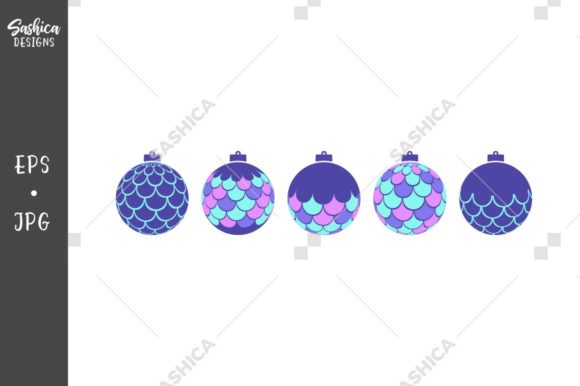
The Christmas Balls Vector immediately evokes a sense of warmth and cheer. Its clean lines and rounded shapes suggest a classic, timeless aesthetic that feels both familiar and fresh. The design is composed of several evenly spaced balls, each rendered with subtle shading and texture, which gives them a three-dimensional feel without being overly complex.
This level of detail is impressive, but it also raises questions about how it will perform when stitched. Will the shading translate well to fabric? Will the small details remain visible after multiple washes? These are important considerations when choosing a design for commercial or personal use.
Real-Life Use Case: Custom Embroidered Tote Bag
To test the Christmas Balls Vector, I imagined using it on a custom embroidered tote bag. This is a common project for crafters and Etsy sellers, often used as a holiday gift or boutique product. The design would need to sit comfortably on the front of the tote, possibly with some text or branding added.
The Christmas Balls Vector has enough visual weight to stand alone but could easily be paired with other elements like a name or logo. However, its placement must be considered carefully. If placed too close to the edges, the balls might get distorted or lost in the stitching process. Testing on scrap fabric first is always a good idea, especially with intricate designs like this.
Performance in Real Embroidery Situations
The Christmas Balls Vector performs well in most standard embroidery scenarios. It looks great on cotton, linen, and even some synthetic fabrics. However, there are certain situations where it may require extra attention:
- Small hoop sizes: The design may stretch or distort if forced into a smaller hoop than recommended.
- Textured or dark fabrics: The subtle shading might not show up clearly against darker backgrounds.
- Stretchy or thin fabrics: These can cause the design to shift or lose definition during stitching.
- Curved surfaces: Applying the design to a cap or curved surface may require additional stabilizer or careful placement.
- Dense stitch areas: The detailed shading could lead to overlapping stitches or uneven density if not properly managed.
For these reasons, it’s important to review the Christmas Balls Vector in different contexts before committing to a large-scale project. Testing it on a printable mockup or black-and-white preview can help identify potential issues early on.
Design Considerations for Handmade Products
When considering the Christmas Balls Vector for handmade products, it's essential to think about how it contributes to the overall visual appeal and brand consistency. For a small shop or Etsy seller, the design should complement the rest of the product line while standing out as a unique offering.
The Christmas Balls Vector is versatile enough to work on a variety of items, including baby clothes, caps, pillow covers, and kitchen towels. However, it may not be the best choice for products that require frequent washing or have intricate detailing. In such cases, simplifying the design or using a different technique like applique could yield better results.
Practical Notes for Embroidery Designers
As an embroidery designer, I recommend the following steps before using the Christmas Balls Vector:
- Test on scrap fabric: Always check how the design looks and behaves on a piece of fabric similar to what you’ll be using for your final project.
- Check thread color contrast: Ensure that the chosen thread colors provide sufficient contrast against the fabric background.
- Review stitch density: Look for areas where the stitch density might be too high or low, which could affect the overall look and durability.
- Confirm hoop size: Make sure the design fits within the recommended hoop size to avoid distortion.
- Inspect small details: Pay close attention to the smallest elements, as they can make or break the final appearance.
- Use proper stabilizer: Especially for delicate or stretchy fabrics, a quality stabilizer is essential for accurate stitching.
- Check licensing: If planning to sell finished products, ensure you have the proper rights to use the design commercially.
Final Thoughts on the Christmas Balls Vector
The Christmas Balls Vector is a solid choice for those looking to add a touch of holiday charm to their embroidery projects. It offers a balance between detail and simplicity, making it suitable for both personal and commercial use. However, like any design, it requires thoughtful consideration and testing to ensure it meets the needs of your specific project.
Whether you're creating a custom embroidered sweatshirt, a holiday gift, or a boutique product, the Christmas Balls Vector can be a valuable asset—if used wisely. As always, take the time to evaluate how it performs in real life, and don’t hesitate to make adjustments based on your findings.