Christmas Card Vector Illustrations
A Visual Asset for Seasonal Content and Branding
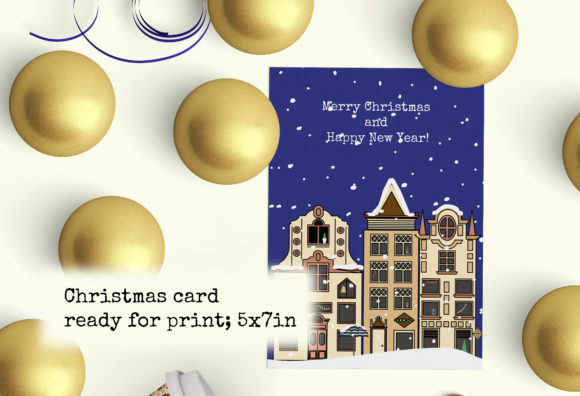
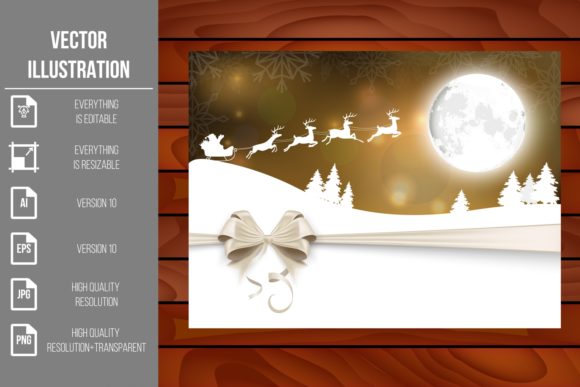
The Christmas Card Vector immediately evokes a sense of warmth, celebration, and seasonal charm. Its design is clean yet festive, offering a perfect blend of holiday cheer and editorial sophistication. This graphic design asset feels ideal for content creators who want to infuse their work with a touch of tradition while maintaining a professional aesthetic. Whether used in blog graphics or digital guides, the vector's visual mood supports a wide range of niches, from lifestyle publishing to small business branding.
Visual Communication and Editorial Quality
The Christmas Card Vector is a versatile illustration that can be scaled and adapted across various platforms without losing clarity. It offers a strong visual communication tool, allowing designers to create engaging editorial layouts and website headers that resonate with readers. The illustration’s design supports a modern, artistic approach, making it suitable for both creative marketplaces and commercial design projects.
Its clean lines and festive elements provide a natural fit for content marketing strategies, especially when crafting lead magnets or downloadable resources. The visual hierarchy of the vector makes it easy to integrate into editorial design workflows, ensuring that content remains visually appealing and reader-friendly. For publishers aiming to enhance brand identity through consistent visuals, this asset is a valuable addition to any design toolkit.
Real Publishing Use Cases
The Christmas Card Vector is not just a standalone graphic—it’s a powerful design asset that can be repurposed across multiple content formats. From blog featured images to social media graphics, this illustration supports a wide array of publishing needs. Here are some real-world applications:
- Blog Graphics: Use it as a header or sidebar graphic to add a festive touch to seasonal posts.
- Pinterest Pins: Transform the vector into a high-quality Pinterest pin for seasonal content marketing.
- Website Banners: Incorporate it into website headers or banners to create a cohesive brand presence.
- Newsletter Headers: Enhance email newsletters with a visually appealing header that aligns with your brand’s tone.
- Canva Templates: Integrate the vector into Canva templates for quick and easy content creation.
- Digital Guides and Lead Magnets: Add the vector to downloadable resources like worksheets or printable designs to elevate their visual appeal.
- Social Media Posts: Utilize it as a background or accent in social media visuals to boost engagement.
Supporting Content Performance
Using the Christmas Card Vector can significantly impact content performance. A strong first impression is crucial for capturing reader attention, and this design asset delivers precisely that. Its festive yet professional appearance encourages clicks and engagement, making it an excellent choice for affiliate marketing and content marketing efforts.
By incorporating this vector into your design assets, you can improve visual hierarchy and ensure that your content stands out in a crowded digital landscape. The illustration also contributes to stronger brand identity, helping to build trust and recognition among your audience. Whether it’s a website header or a social media preview, the vector enhances the overall look and feel of your digital content.
Where It Works Best
The Christmas Card Vector excels in areas where a festive and decorative element is needed without overwhelming the content. It works best in:
- Hero Images: As a main visual on landing pages or category pages.
- Article Thumbnails: To give readers a clear and enticing preview of your content.
- Pinterest Pins: For seasonal content promotion and engagement.
- Editorial Accents: To add visual interest to blog posts or digital guides.
- Content Upgrades: To make downloadable resources more appealing and professional-looking.
- Category Visuals: To help users quickly identify content themes on your website.
- Social Media Previews: To enhance click-through rates on platforms like Facebook and Instagram.
Where to Use Carefully
While the Christmas Card Vector is a versatile design asset, it should be used with caution in certain contexts. For instance, it may not be ideal for small mobile thumbnails due to its size and complexity. Similarly, it might not suit text-heavy blog images or low-contrast backgrounds, where it could distract from the content rather than complement it.
It’s also important to consider the niche of your content. While the vector adds a playful and decorative element, it may not be appropriate for serious professional niches or corporate websites that require a minimal visual system. Always test the vector in different layouts and ensure it aligns with your brand’s visual identity.
Publisher Notes for Optimal Use
To ensure the Christmas Card Vector performs well in your publishing workflow, follow these practical tips:
- Test on Desktop and Mobile Screens: Ensure the vector looks great on all device sizes.
- Check Thumbnail Appearance: Preview how it looks as a thumbnail in search results or social media feeds.
- Preview in Real Blog Layouts: See how it integrates with your site’s existing design.
- Test with Headline Text: Ensure the vector complements your headline font styles.
- Check Contrast and Readability: Make sure the design doesn’t compromise text legibility.
- Try It in Black and White: Confirm it still works well in grayscale settings.
- Place It Beside Different Fonts: Test it with serif, sans serif, script, and display fonts.
- Review File Size: Compress images properly to maintain web performance.
- Confirm Commercial Licensing: Ensure you have the right to use it on monetized websites or paid content products.
Conclusion
The Christmas Card Vector is a valuable graphic design asset for bloggers, publishers, and digital marketers looking to enhance their content with a festive and professional touch. Its versatility and visual appeal make it a great choice for a wide range of publishing needs, from blog graphics to digital guides and social media visuals. By integrating this vector into your editorial design strategy, you can improve brand identity, content performance, and overall user experience.