Christmas Tree Elements Illustrations
A Warm Visual Language for Seasonal Branding
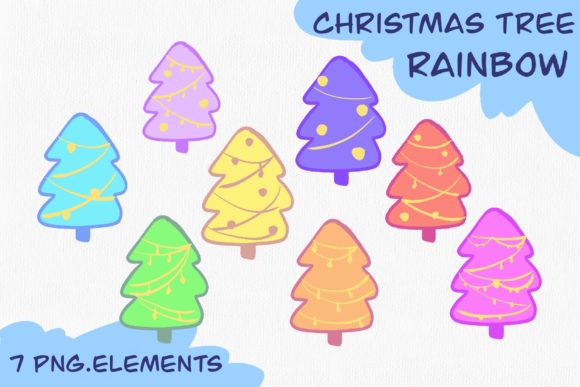
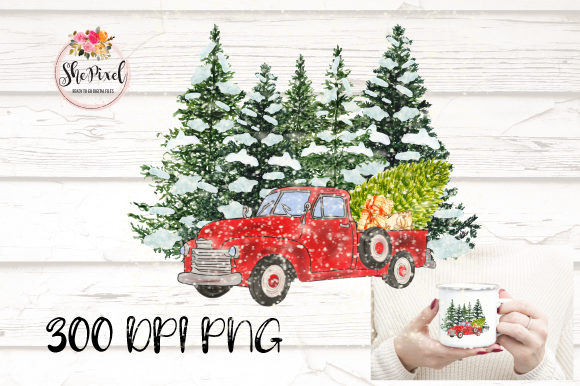
As a designer working on a seasonal campaign for a small handmade brand, I recently came across Christmas Tree Elements. The first impression was immediate: a cozy, festive vibe that feels both nostalgic and fresh. These illustrations are rich in texture and detail, offering a tactile quality that’s perfect for creating a sense of warmth and celebration.
The Mood and Style of Christmas Tree Elements
Christmas Tree Elements carries a soft, hand-drawn aesthetic that leans into the charm of traditional holiday art. The illustrations are layered with subtle gradients and intricate patterns, making them feel like they could be printed on paper or crafted by hand. This style is ideal for projects that aim to evoke a sense of community, tradition, and craftsmanship.
The visual language of these illustrations is versatile—it can transition from playful and whimsical to elegant and refined depending on how it’s integrated into a design. Whether used as a background element or a focal point, Christmas Tree Elements adds depth and personality without overwhelming the composition.
Applying Christmas Tree Elements in Real Design Projects
In my current project, I’m designing a product line for a boutique that sells handmade holiday decor. Christmas Tree Elements has been a key asset in developing the visual identity. From logo concepts to packaging details, these illustrations have helped maintain a cohesive theme throughout the collection.
They work particularly well in product mockups, social media graphics, and packaging design. For instance, using a tree illustration as a decorative accent on gift tags or wrapping paper instantly elevates the overall look. They also serve as excellent backgrounds for website graphics and blog visuals, adding a layer of seasonal character without being too busy.
When applied to Canva templates or Cricut projects, Christmas Tree Elements offer a great starting point for customization. Their versatility makes them suitable for everything from sticker designs to printable wall art, especially when paired with other seasonal assets.
Where Christmas Tree Elements Excel
Christmas Tree Elements shines in areas where a touch of creativity and warmth is needed. Large layout spaces such as hero graphics or campaign visuals benefit greatly from their scale and detail. They also perform well in themed collections, where consistency and visual storytelling are essential.
These illustrations are especially effective as decorative accents in packaging design or merchandise. A simple tree icon on a t-shirt or mug can make a big impact, helping to reinforce brand recognition without overpowering the design.
Additionally, they are well-suited for printable designs and sublimation design projects. Their clean lines and subtle textures translate well to physical products, ensuring that the final result feels intentional and high-quality.
When to Use Christmas Tree Elements with Caution
While Christmas Tree Elements is a powerful tool, there are situations where its use should be approached carefully. In smaller layouts or crowded designs, these illustrations can become distracting. It’s important to test them at various sizes to ensure they remain legible and visually balanced.
They may also not be the best fit for minimalist branding or professional corporate materials, where simplicity and clarity take precedence. In such cases, a more abstract or geometric approach might be more appropriate.
Another consideration is contrast. When placing Christmas Tree Elements on light or dark backgrounds, it’s crucial to ensure sufficient contrast for readability. Testing in black and white can help identify potential issues before finalizing the design.
Design Notes for Using Christmas Tree Elements
Before integrating Christmas Tree Elements into a client project, I always recommend checking the file formats and licensing terms. Ensuring that you have a commercial license is essential for any business or print-on-demand project.
Inspecting the PNG transparency and SVG editability can also make a difference in how the asset is used. For example, vector files are ideal for logo design or brand identity projects, while PNGs are better suited for printable designs and digital ads.
Testing the asset on real mockups and previewing it at different sizes helps determine its performance in various contexts. It’s also worth comparing it with different font styles—whether serif, sans serif, script, or display—to see how it interacts with text and enhances the overall visual hierarchy.
Why Christmas Tree Elements is Worth Considering
Christmas Tree Elements offers a unique blend of charm and functionality that makes it a valuable addition to any designer’s toolkit. Its ability to adapt to different design needs—from handmade business branding to small business branding—makes it a flexible choice for a wide range of clients.
Whether you’re working on a digital product, print-on-demand project, or editorial design, these illustrations provide a strong foundation for creating engaging and visually appealing content. With careful planning and thoughtful integration, Christmas Tree Elements can help elevate your creative work and deliver a polished, professional result.